
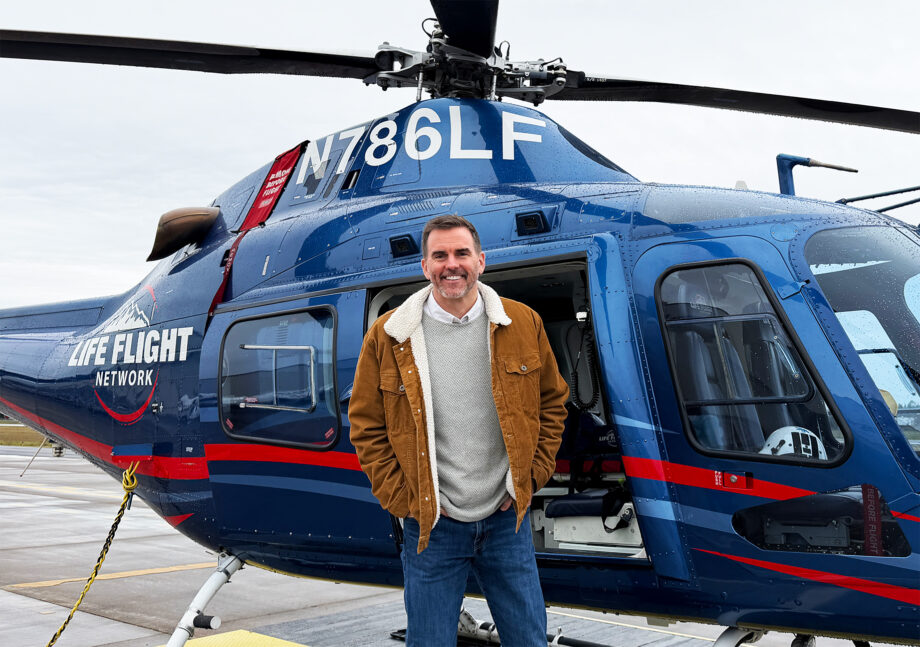
The late summer weekend in 2022 was meant to be a fun reunion for 43-year-old Tyson Yeck and his college friends at their annual gathering in rural Oregon. Instead, it became a fight for his life. During a pickup game, Tyson suddenly collapsed face-down in the muddy field. His heart stopped beating.
While others thought it was a seizure, his friend Max LeeKwai, a volunteer firefighter and trained responder, recognized the danger immediately. He called for help and began CPR, working nonstop for 20 minutes. When local EMTs arrived, they delivered multiple AED shocks and improvised airway support with PVC pipe, finally restoring a heartbeat. But Tyson was still critically unstable, and the nearest hospital was more than an hour away.
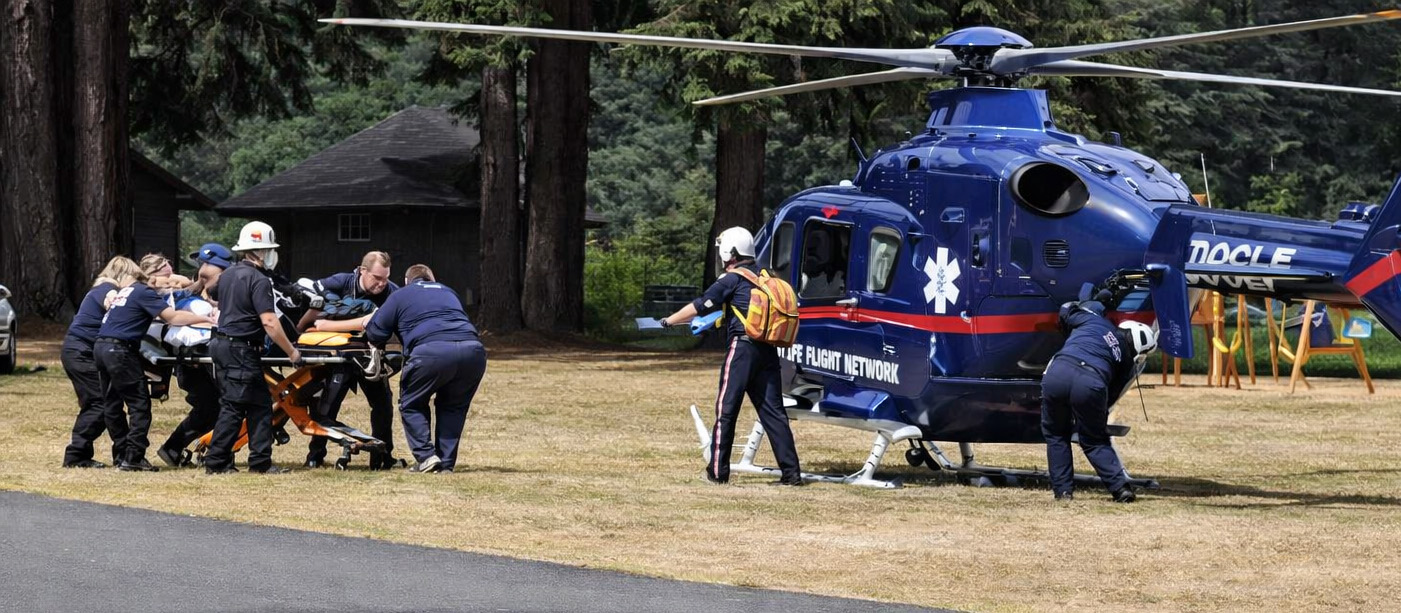
Life Flight Network was called. Within minutes, a helicopter landed in a makeshift landing zone in the as flight clinicians brought advanced critical care to Tyson’s side and rushed him to Portland. His heart stopped repeatedly at the hospital, and he underwent emergency surgery to receive a mechanical heart pump and an implantable defibrillator.
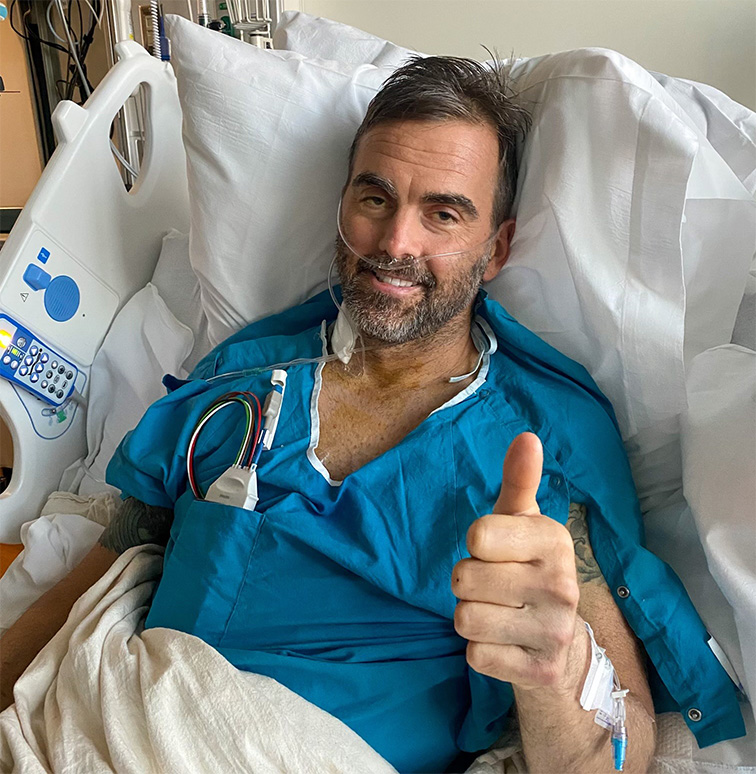
Just one week later, Tyson went home — weak, but alive. Fewer than 10% of people survive cardiac arrest outside a hospital. Tyson calls his recovery a miracle made possible by quick action, expert care, and rapid air medical transport.
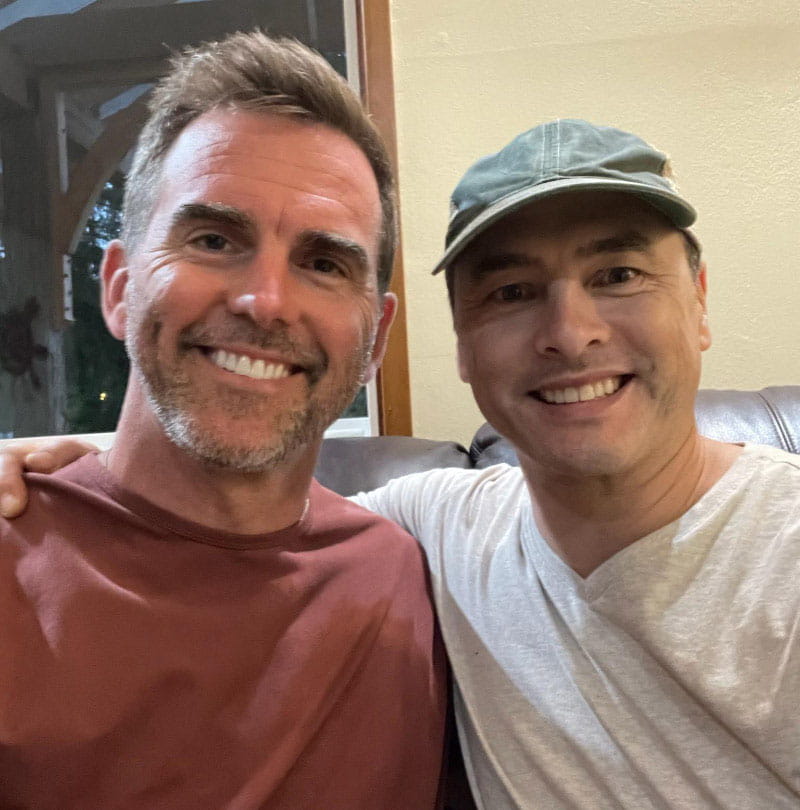
Your support to Life Flight Network Foundation helps make outcomes like Tyson’s possible by funding specialty initiatives and ensuring lifesaving care is ready 24/7, whenever and wherever it’s needed.
